

Paul Mills took over as head coach three years ago with a goal of restoring Wichita State to the juggernaut that it was during its late years within the Missouri Valley Conference. After finishing his first year 15-19 overall, he jumped to 19-15 in his second year, then put together his best last season at 24-12 overall and 13-5 within the American.
During the non-conference, they had some close losses as they fell to Boise State by three, Saint Mary’s by five, Colorado State by six, Western Kentucky by five, and DePaul by three. They easily could have put together a 28 win season if some possessions swung their way.
There is no doubt that Mills is building something special with the Shockers and now, they are shaping up to be a force in college basketball next season. After ranking just 342nd in minutes continuity coming into last year, they are retaining nearly 50% of their minutes as they head into the 2026-2027 season. Let’s take a look at how their roster is shaping up.
Use the code “BracketBusters” when checking out at Crow’s Nest Coffee Roasters to receive 20% off your order! Want two bags of coffee shipped to your door every month? Sign up for a monthly subscription here and receive 25% off your monthly subscription!
Roster Turnover
Karon Boyd (Senior) ~ TBD
10.9 points, 5.8 rebounds, 1.6 assists
Kenyon Giles (Senior) ~ TBD
19.1 points, 2.6 rebounds, 1.4 assists, 1.6 steals
Emmanuel Okorafor (Senior) ~ TBD
6.3 points, 5.2 rebounds, 1 block
Brian Amuneke (Junior) ~ Fresno State
2.4 points, 0.7 rebounds
Dre Kindell (Senior) ~ Drake
5.9 points, 1.6 rebounds, 2.3 assists
The Shockers did lose their top two scorers from last season in Kenyon Giles & Karon Boyd due to eligibility, but they did a phenomenal job of reducing the turnover. Brian Amuneke played a minimal role in the rotation and Dre Kindell did contribute, but they’ve replaced them with some great additions in the portal.
Returning Players
Will Berg (Redshirt Senior)
8.8 points, 8.1 rebounds
Michael Gray Jr. (Graduate Senior)
8.2 points, 3.3 rebounds, 2.3 assists
Jaret Valencia (Redshirt Senior)
2.8 points, 1.8 rebounds
Henry Thengvall (Redshirt Senior)
0.3 points, 0.3 assists (11 games / 2.4 minutes)
Dillon Battie (Junior)
7.6 points, 4.7 rebounds
Joy Ighovodja (Redshirt Junior)
DNP
TJ Williams (Redshirt Sophomore)
8.7 points, 5 rebounds, 1.5 assists
Noah Hill (Sophomore)
1.4 points, 2.2 rebounds
Pierre Couisnard (Redshirt Freshman)
DNP
Tyrus Rathan-Mayes (Redshirt Freshman)
DNP
Guards
TJ Williams (6’5)
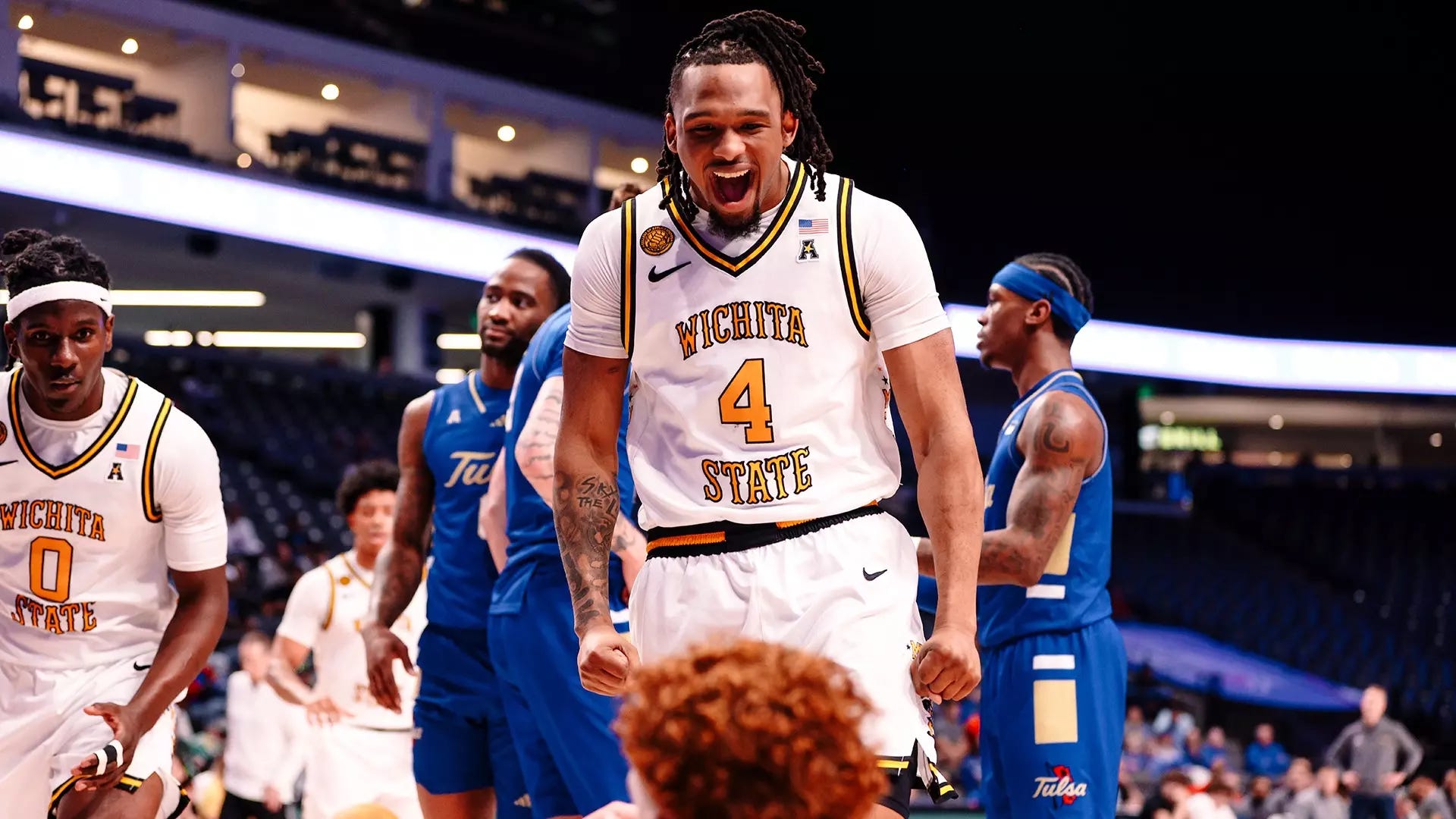
There was a lot of hype around TJ Williams coming into his freshman season, and he did not disappoint. The 6’5 guard posted an average of 8.7 points, five rebounds, and 1.5 assists per game while shooting 46.6% overall. He’s not a three-point threat as he shot just 1-12 from beyond the arc, but he’s an absolute force around the rim.
During the non-conference slate, he showed some signs with a couple nice performances against Saint Mary’s with 15 points and then Northern Iowa with 18 points and nine rebounds. His contributions ebb-and-flowed, but he turned it on over the last ten games for the Shockers. He put up a 27 point, eight rebound, and two assist performance against East Carolina to make the American Conference aware of his presence. Over the final ten games, counting the NIT, he averaged 12.2 points, 6.5 rebounds, and 1.2 assists per game while shooting 56.5%.
Looking at his metrics, you’ll see the trend as he finished with a 114.3 offensive rating in conference play vs a 108.2 rating overall. He ranked 350th overall with an 8.9% offensive rebounding percentage, which went alongside a 15.3% defensive rebounding percentage.
This is a player that is going to be looking to take a huge step forward this season.
Michael Gray Jr. (6’1)
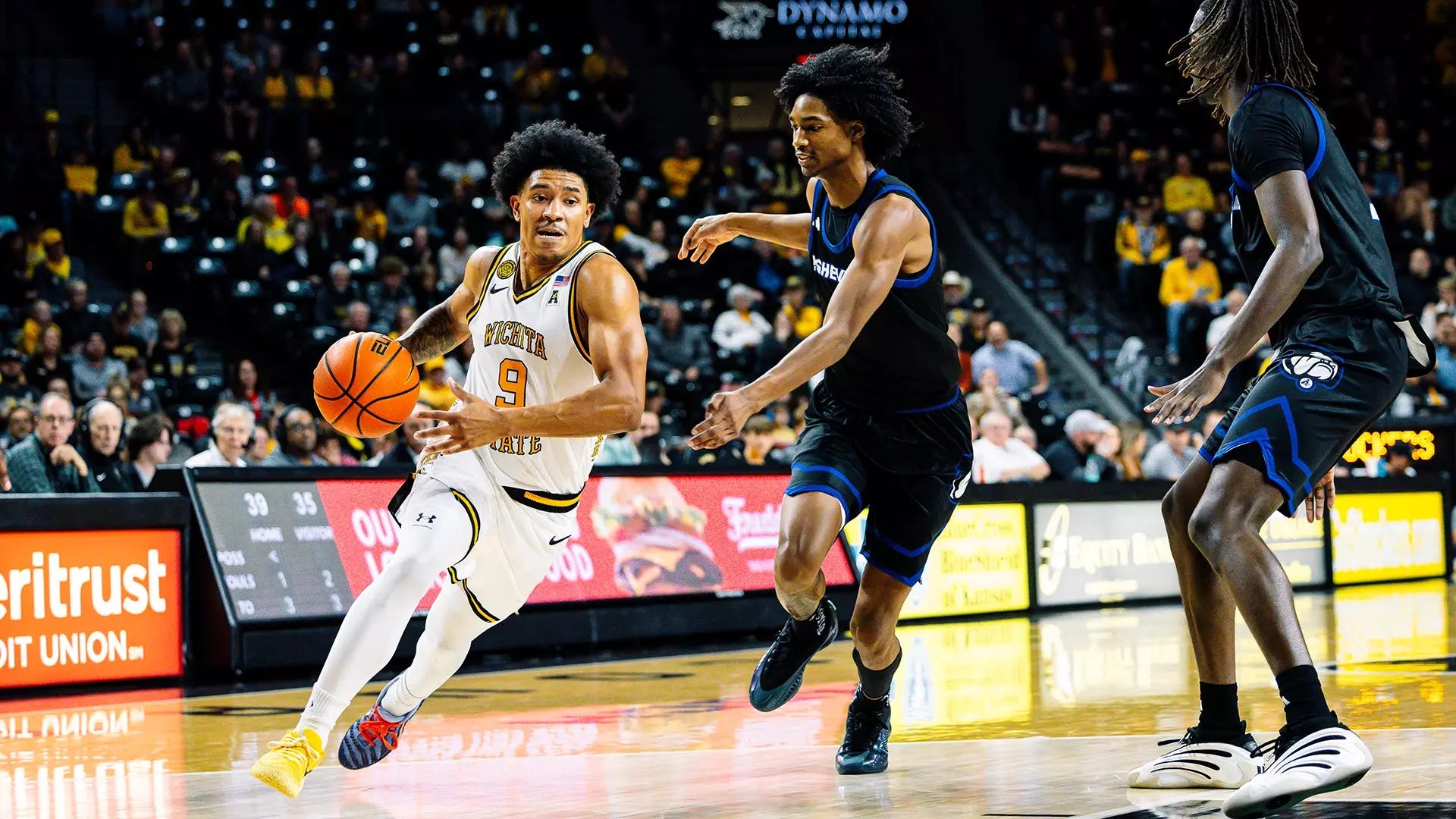
Michael Gray Jr. transferred into Wichita State last year after a successful year at Nicholls where he averaged 11.1 points with 2.8 rebounds the year prior. For the Shockers, he turned himself into a starter in all 36 games while averaging 26.9 minutes per game. His total line per game finished with 8.2 points, 3.3 rebounds, and 2.3 assists while shooting 33.7% overall and 31.1% from three-point.
Unlike TJ Williams, Gray Jr. started off the year hot, but cooled off over time. In his first five games, he averaged 10.4 points vs just six points over the final five games of the regular season. However, his appeal is the ability to stuff the stat sheet. While he wasn’t scoring as much over those last five games, he put up six assists with six rebounds against Tulsa, four rebounds against South Florida, and six rebounds with two assists, one block, and two steals against UT San Antonio.
Gray Jr. finished with a 102.6 offensive rating, 46% true shooting percentage, 11.7% defensive rebounding percentage, 15.3 assist rate, and an 85.2% free throw shooting percentage. While none of these are outstanding, we’ll explain why we think he could put up his best season yet later.
Tyrus Rathan-Mayes (6’6)
The 6’6 Canadian guard redshirted last year after coming into Wichita State as a three-star recruit last season. He was a prolific scorer where he averaged 20 points per game during his senior season, so we’ll see what his role looks like this year, but you can expect that it’ll be minimal as he develops.
Joy Ighovodja (6’4)
Ighovodja will be entering year four with the Shockers after taking a medical redshirt last season. In his first two seasons, he appeared in a combined 27 games and averaged 1.5 points and 1.8 rebounds per game while shooting 41.2% overall and 26.7% from three-point. I don’t expect his role to change much this season.
Forwards
Dillon Battie (6’8)
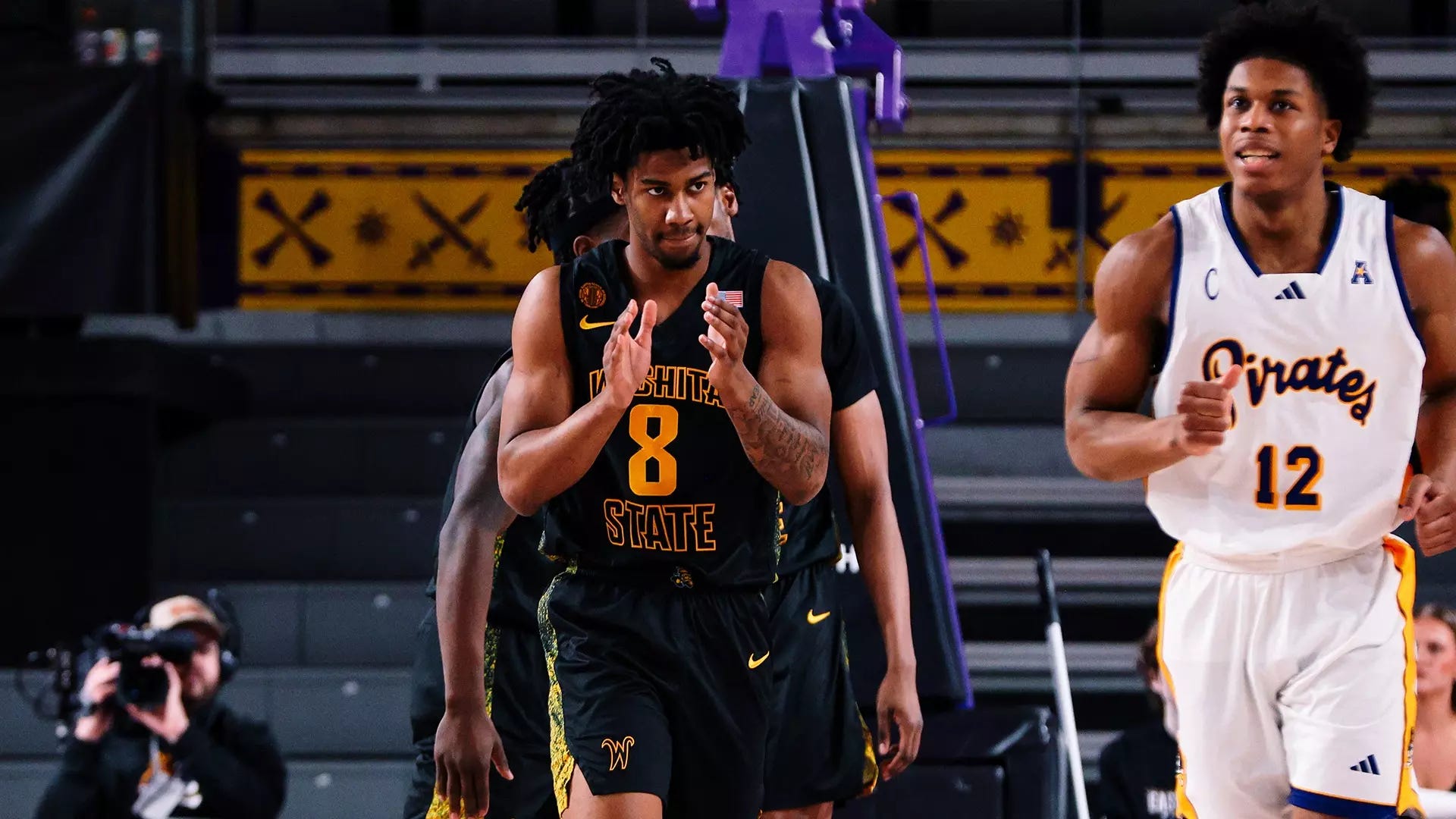
After starting his collegiate career at Temple where he posted promising stats as a freshman, Battie transferred within the American to join Wichita State last year. He averaged 7.6 points with 4.7 rebounds while shooting 55.9% overall.
Through his first eleven games of the season, he didn’t see a ton of playing time, but he stepped up huge over the final two-thirds of the season. Against North Texas he finished with ten points, nine rebounds, one block, and two steals. Over his last 20 games, he averaged nearly ten points and 5.7 rebounds per game. Over his last eight games, he averaged 12.4 points and 6.3 rebounds.
His metrics tell a similar story to his growth as well. He finished with a 115.9 offensive rating, 58.1% true shooting percentage, 20.3% defensive and 8.9% offensive rebounding percentage, and a 2.2% block percentage. In conference play, he finished in the top-20 of several key categories including 8th in shooting percentage from inside the arc at 60.6%.
Jaret Valencia (6’8)
Valencia started out at Monmouth for his first two seasons in Division I where he was a valuable starter as a freshman. He averaged 8.9 points with 4.4 rebounds and 1.7 blocks per game, but that dropped to just 6.7 points with 4.1 rebounds in his sophomore season. Last year, after transferring to the Shockers his numbers dropped even more to 2.8 points and 1.8 rebounds, albeit in just eleven games.
During a practice in December, he ruptured his Achilles thus eliminating his eligibility for the remainder of the season. If he’s able to return healthy and at 100% for the coming season, he’ll provide Wichita State with some valuable minutes in the rotation.
Noah Hill (6’7)
Coming out of high school, Noah Hill was listed as a top-250 recruit and a three-star prospect overall. In 23 games during his freshman season, he averaged 1.4 points and 2.2 rebounds in 4.2 minutes per game while shooting 66.7% overall from the floor. One of his best games overall was against FAU where he didn’t score, but he racked up a whopping ten rebounds in just eleven minutes of action. His ridiculous 24.5% offensive and 28.4% defensive rebounding percentages represent just how much of an impact he can make on the glass.
Centers
Will Berg (7’2)
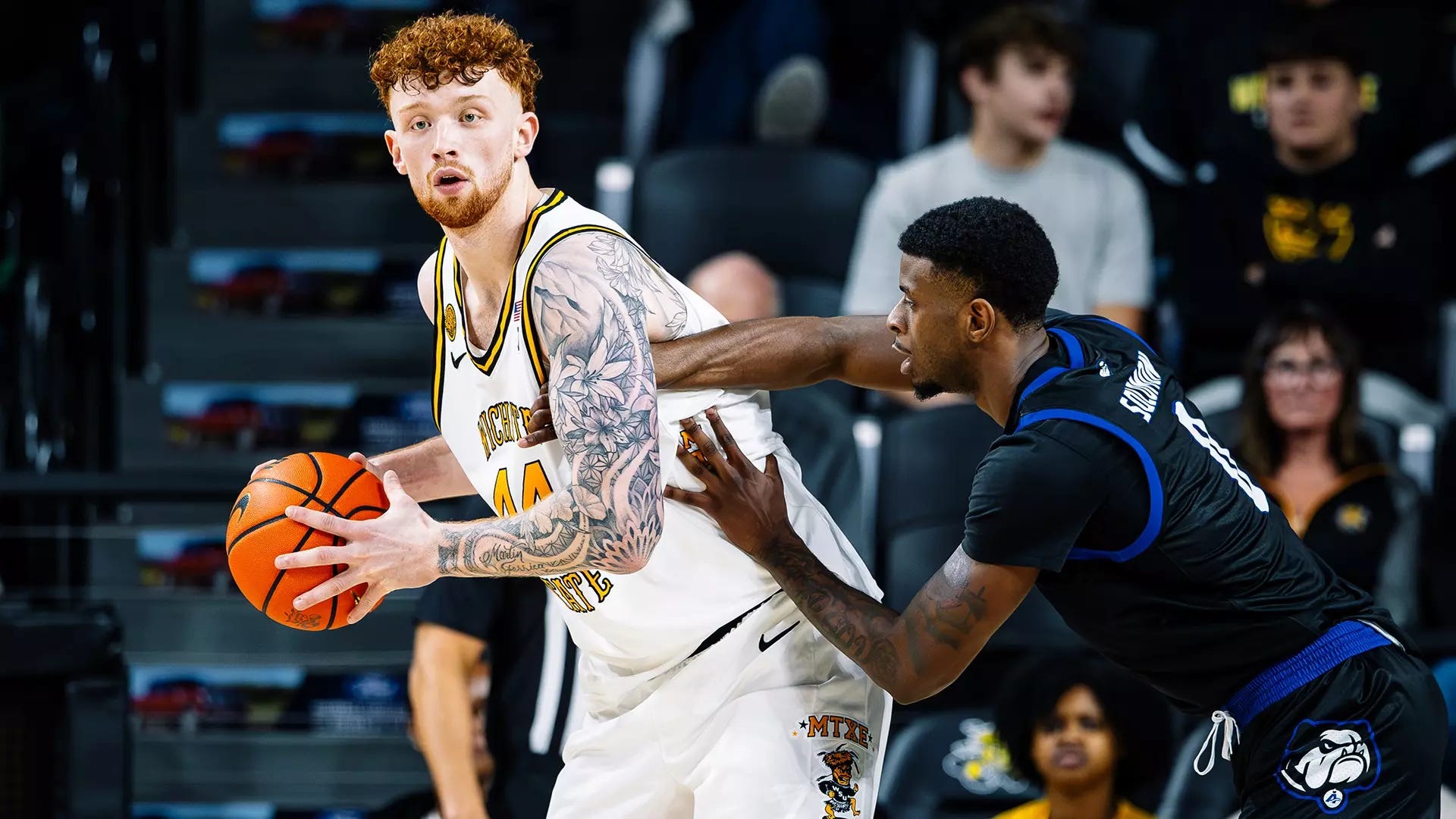
When Will Berg transferred in after spending two seasons at Purdue, there was a lot of hope that he’d break out in a big way. The 7’2 big man from Sweden appeared in 35 games last year while starting 10 and putting up career high numbers across the board. He finished averaging 8.8 points with 8.1 rebounds and 1.3 blocks per game while shooting 55.9% overall.
While he didn’t average double-digit points, he did achieve nine double-doubles on the season with three coming in his final five games of the regular season and American tournament. Looking at his metrics, he featured a 122.5 offensive rating, 59.9% true shooting percentage, 16.1% offensive rebounding percentage (15th overall), 23.1% defensive rebounding percentage (63rd overall), and a 6.2% block percentage (114th overall).
Berg had a strong season, and we really saw him blossom as it went on. I’m expecting a huge year from the big man.
Walk-ons
Both Henry Thengvall and Pierre Couisnard are walk-ons, so you can expect minimal playing time will be allocated for both players in the coming season.
Roster Additions
Jahari Long (Senior) ~ George Mason
12.2 points, 3.3 rebounds, 4 assists
Jordan Frison (Senior) ~ Chattanooga
16.4 points, 3.3 rebounds, 4 assists
Cyr Malonga (Senior) ~ New Mexico State
3.7 points, 2.5 rebounds
Bryce Heard (Junior) ~ Dayton
6.6 points, 2.4 rebounds
Desmeon Jones (Sophomore) ~ Blinn College (JUCO)
12.4 points, 2.9 rebounds, 4.8 assists, 2.1 steals
Guards
Jahari Long (6’5)
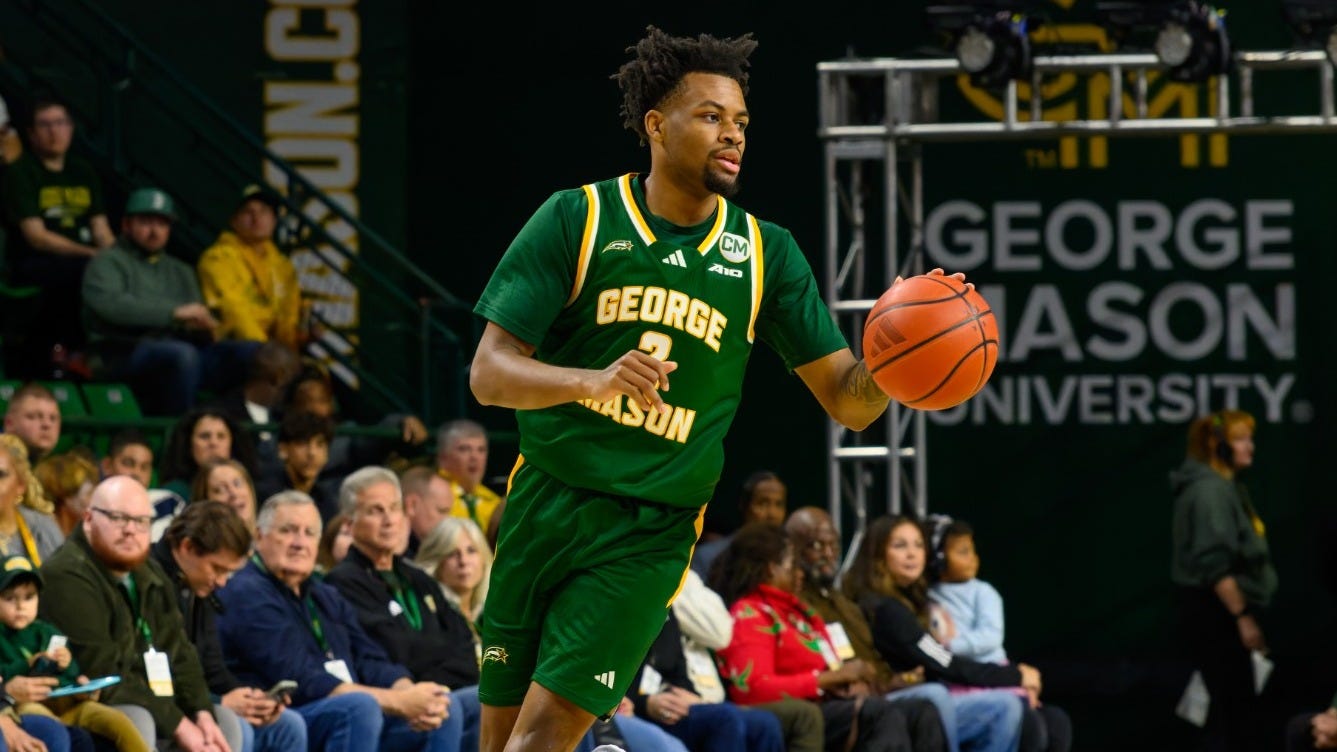
Jahari Long is coming off a terrific season for the George Mason Patriots. Last year, he averaged 12.2 points, 3.3 rebounds, and four assists per game while shooting 45.4% overall from the floor and 37.7% from beyond the arc. If we look at his metrics, you’ll get a deeper story:
115.9 offensive rating
57.7% true shooting percentage ~ 425th overall
23.0 assist rate (jumped to 25.0 in conference play) ~ 280th overall
2.3 fouls committed per game ~ 337th overall
84.8% free throw shooting percentage in conference ~ 378th overall
When he is on, he’s on. He racked up nine assists in two games, while putting up seven against St. Bonaventure with no turnovers. Offensively, his statistics were up-and-down, but that wasn’t based off bad shooting. In games where he scored less than ten points, he would often do it on reasonable shooting percentages. On the flip-side, he isn’t shy at putting up 15+ points per game as he had some strong performances including 27 points in the NIT against Liberty, 21 points with nine assists against No. 25 Saint Louis, 21 points against FAU, and 17 points against Dayton.
Long will slot right into the starting rotation for the Shockers this season as he’s a high-caliber player. He can play point guard, but also serve as an off-ball option while someone else leads on the floor.
The 6’5 guard first joined the collegiate basketball ranks in 2020, but due to a Covid-19 season and a redshirt season where he appeared in just five games, he’ll be playing in his sixth season. He spent two seasons with Seton Hall, two with Maryland, and one with George Mason.
Jordan Frison (6’0)
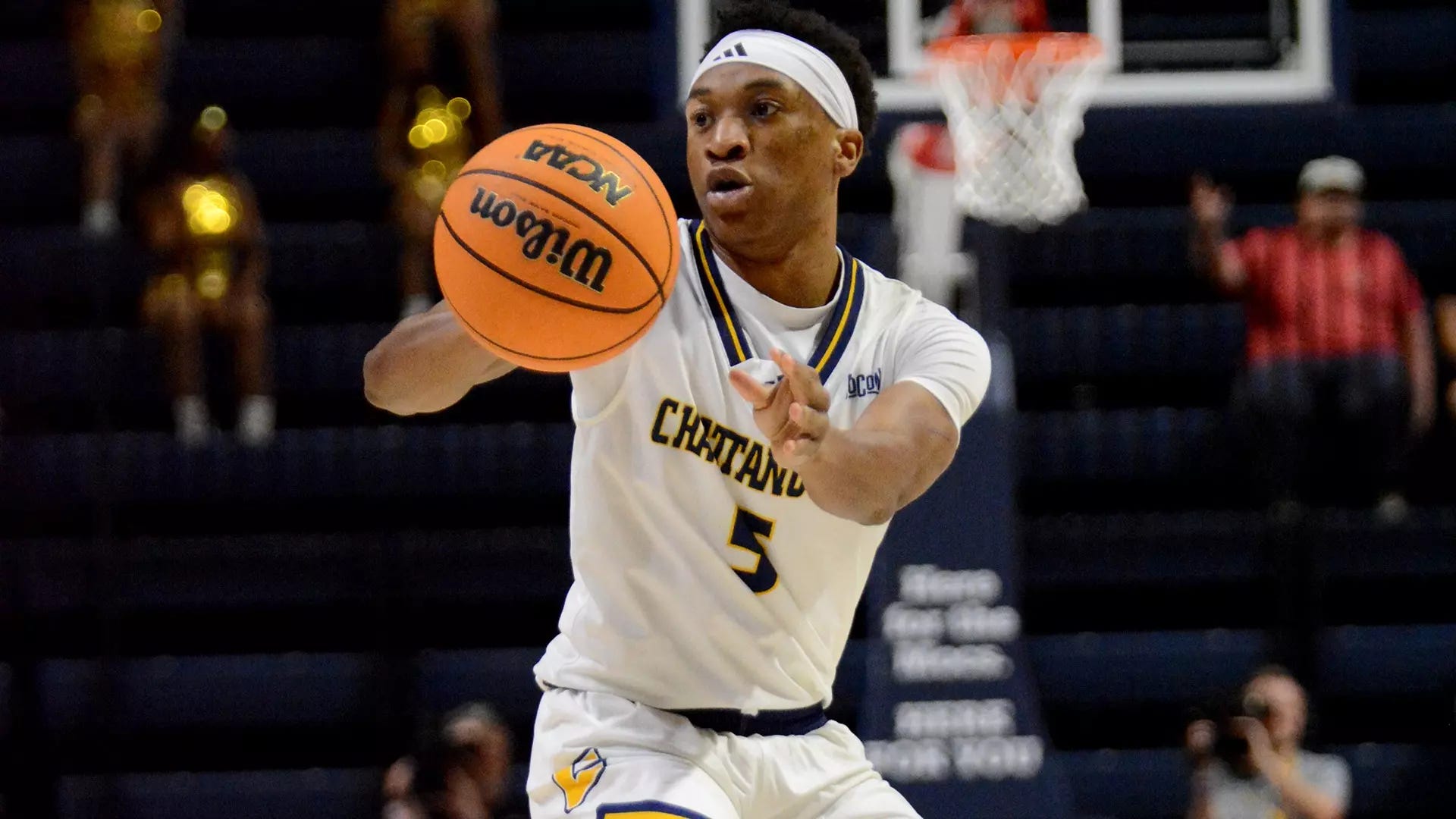
The Chattanooga Mocs might have had a down year last season coming off a run to the NIT Championship, but Jordan Frison was a bright spot for the team. The 6’0 guard averaged 16.4 points with 3.3 rebounds and four assists per game while shooting 55.7% overall and a strong 45.5% from three-point. His metrics were unreal:
122.5 offensive rating ~ 234th overall
25.2% possession usage ~ 344th overall
54.1% true shooting percentage ~ 71st overall
29.5 assist rate ~ 98th overall
82.8% free throw shooting ~ 242nd overall
59.7% shooting from inside ~ 311th overall
42% three point shooting against D-I teams ~ 81st overall
In conference play, all of his metrics improved further as he finished third in three categories and top ten in seven categories. Frison finished with 33 points against VMI and over his final five games of the regular season he averaged 24.2 points, three rebounds, and 4.2 assists per game while shooting 52.2% from three-point and 69% from the floor. Needless to say, when he is hot offensively…you can’t stop him.
Desmeon Jones (5’11)
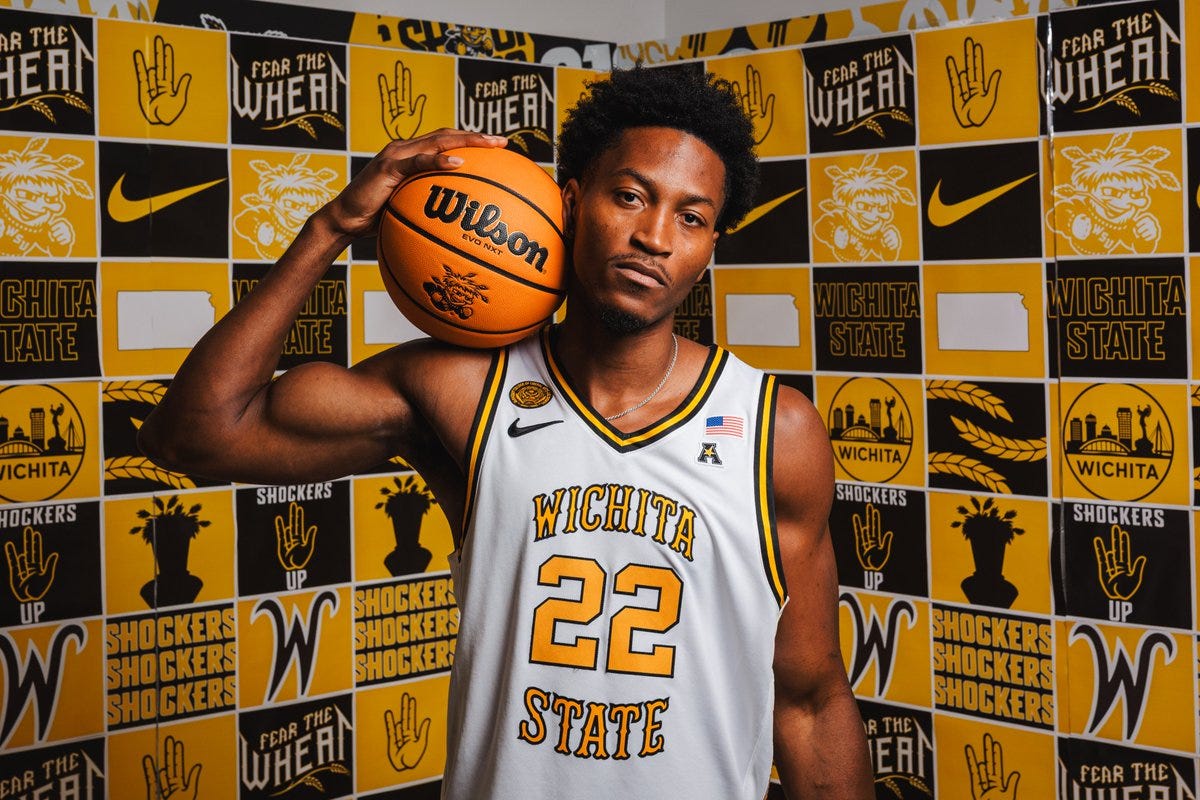
Desmeon Jones is another strong guard with both a knack for offense and the ability to contribute as a leading point guard on the floor. As a freshman at Blinn College last season, he averaged 12.4 points, 2.9 rebounds, 4.8 assists, 2.1 steals while shooting 43.2% overall and 32.8% from three-point on 58 attempts.
Unlike Frison and Long, he isn’t as strong of a three-point shooter, but he’s a remarkable slasher and playmaker as he averaged a tad over a 2:1 assist to turnover ratio. He never put up dominant games where he would drop 30 points with ten assists, rather he was consistent game in and game out. Plus, he is strong defensively as he averaged over two steals per game and finished with four steals or more in six games, including a six steal performance.
Coming from JUCO as a freshman, I don’t expect him to start as a sophomore, but he’ll provide a key role in the rotation this season.
Bryce Heard (6’6)
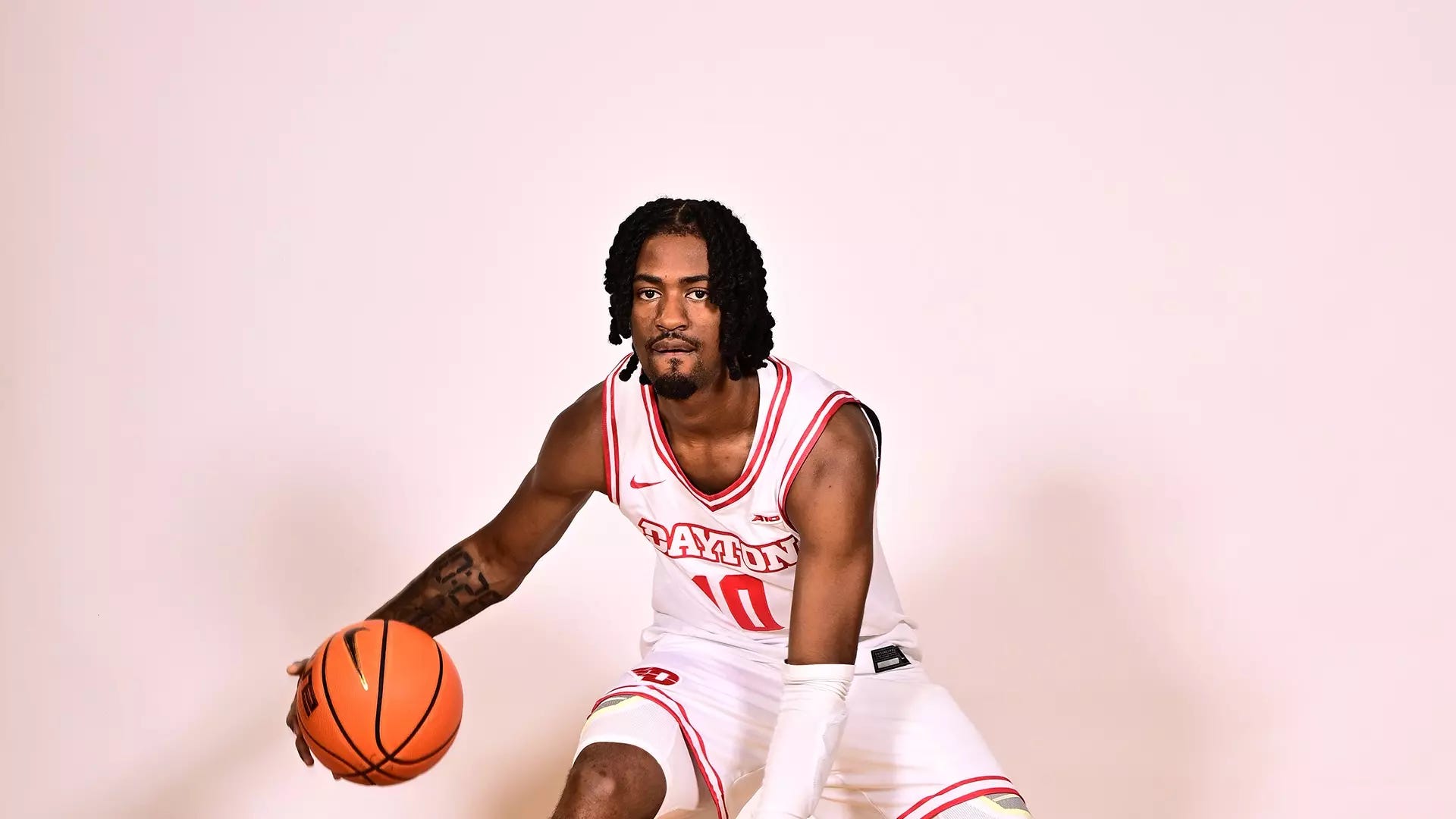
Bryce Heard transferred to Dayton last season after spending his freshman year at NC State. For the Flyers, he appeared in 36 games while starting six and averaging 18.4 minutes per game. He finished with an average of 6.6 points and 2.4 rebounds per game while shooting 43.8% overall and 36.6% from three-point.
His contributions could be a bit sporadic, but his best game of the season came in a narrow loss to No. 9 BYU where he finished with 16 points and three rebounds on 6-7 shooting, 4-5 from deep. The metrics also show some strong potential:
111.1 offensive rating
58.2% true shooting percentage
11.7% defensive rebounding percentage
53.1 free throw rate
Centers
Cyr Malonga (6’11)
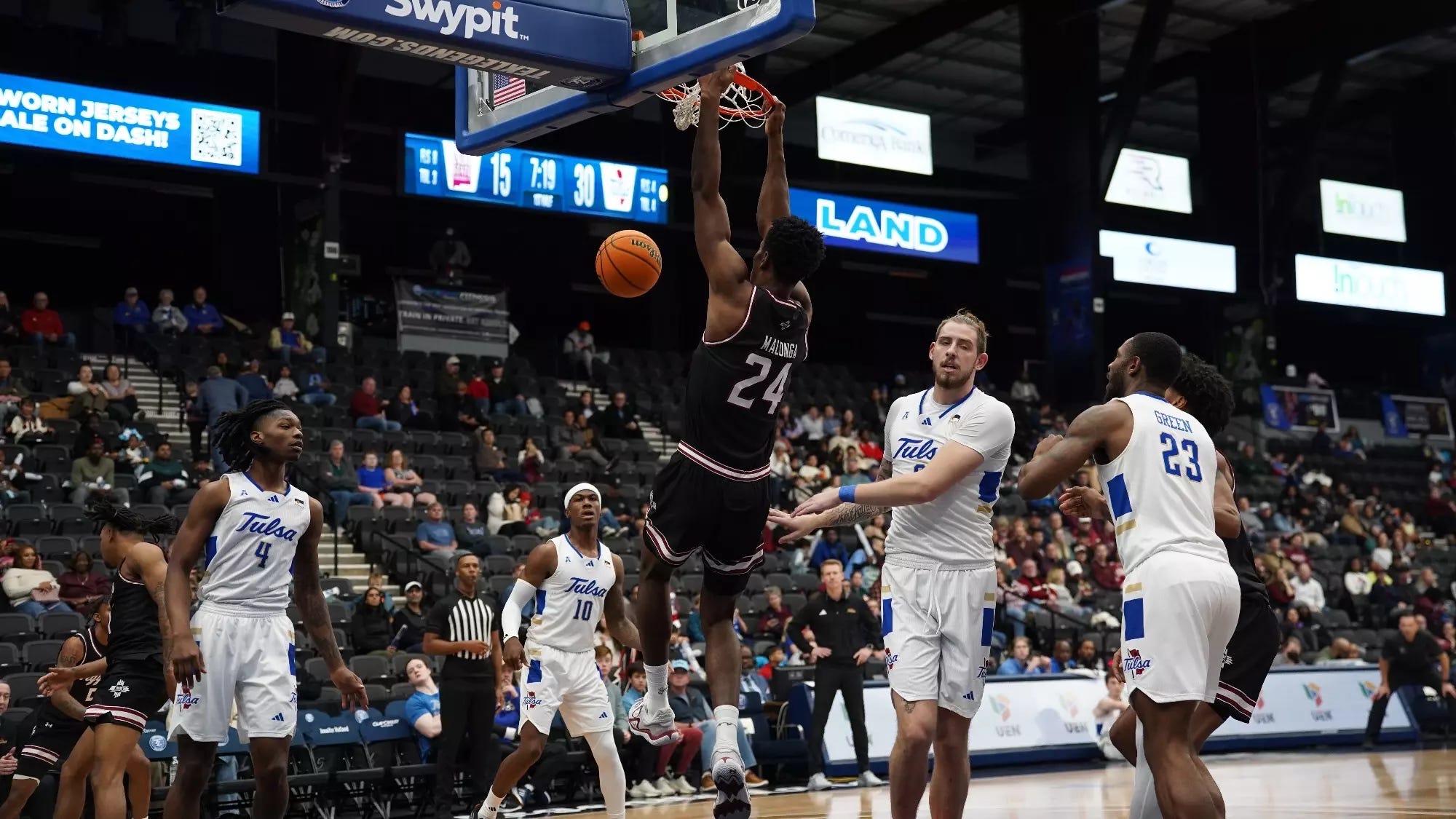
After two seasons at Eastern Carolina, Malonga transferred to New Mexico State last year. He appeared in 24 games while starting 16 and averaged 11.6 minutes. In total, he averaged 3.7 points and 2.5 rebounds while shooting 67.3% from the floor. Offensively, the majority of his contributions came against a non-Division I program, then 13 points against NIT Runner-up Tulsa, and ten points against Middle Tennessee State.
Given his minimal playing time, you can’t look too much into his metrics, but he did feature:
118.6 offensive rating
11.5% defensive rebounding percentage
9.7% offensive rebounding percentage
3.8% block percentage
Overall, while he only averaged 1.5 fouls per game, in games where he played ten minutes or more he averaged a 2.3 while fouling out against Tulsa. Against Sam Houston State, he had three fouls in 11 minutes and he then followed it up with three fouls in 14 minutes against a non-division I team in a 104-33 blowout win.
While there is potential there, he’ll most likely assume a depth role on the roster.
Want to support my writing, but don’t want to sign up for a monthly subscription? Consider “buying me a coffee” via the link below!
Sign up for Bracket Busters’ Discord to discuss all things Mid-Major Basketball!
Expectations
While the Shockers did lose their top two scorers, they retained their next four. As we mentioned at the start of this article, they retained nearly 50% of their minutes from last season. However, the most important piece is they addressed two of their most needed areas: three-point shooting and playmaking.
Last year, the Shockers ranked just 195th in three-point shooting and 355th in assists per field goals made. With the addition of Jordan Frison, Jahari Long, and Desmeon Jones, they have added some much needed assistance with both areas of improvement. The highest average of assists last season on the team was 2.3 per game and now they have three players who averaged over four or more at their last respective colleges. From three-point, both Long and Frison are strong, and fellow incoming guard Bryce Heard is also a huge addition.
Their defense carried them to success last season as they ranked 46th overall in defensive adjusted efficiency, 44th in opponent three-point shooting percentage, and 33rd in opponent two-point shooting percentage. While they did lose Giles who averaged 1.6 steals and Okorafor who averaged one block per game, they still retained Berg who led the team with 1.3 blocks. While their guards are better offensively and at playmaking, they also bring some strong perimeter defense, which should make them a defensively efficient team once again.
They are a rare story in this day-and-age of college basketball with their retention of talent. Combine that with their significantly elevated guard play, and you have a recipe for a team that should be considered one of the better teams outside of the power conference ranks. What do you think? Can the Wichita State Shockers compete for the American conference title next season?